How to Start a Film and Video Production Company
Starting a production company is a smart move for a freelance film director or a documentary film director ready to turn creative skills into steady income. It takes more than a good camera. You need a plan, the right paperwork, and a reliable way to find clients. This guide walks you through the process.

Pick a name that is memorable, easy to spell, and fits your style. Check that the domain name and social media handles are available, and search your state's business registry to make sure no one else is using it. Avoid names that are too narrow if you plan to expand into new services later.
Calculate Startup Costs for a Film and Video Production Company
Costs vary widely. Budget for cameras, lenses, lighting, audio gear, editing computers, software subscriptions, insurance, legal fees, and a website. Many independent filmmakers start lean by renting gear and upgrading as revenue grows. Keep a three-to-six-month cash cushion to cover slow periods.
Find a Niche for a Production Company
Specializing makes marketing easier and lets you charge higher rates. Popular options include corporate videos, weddings, music videos, commercials, real estate tours, and documentaries. A documentary film director, for example, might focus on nonprofit storytelling or branded documentaries. Choose a niche that matches your strengths and local demand.
Build a Portfolio and Demo Reel
Clients hire what they can see. Create a demo reel of 60 to 90 seconds that shows your best work, with your strongest shots in the first ten seconds. If you lack client work, produce passion projects or offer discounted shoots to build credibility.
Obtain Licenses and Permits for a Film and Video Production Company
Requirements depend on your city, state, and country. You may need a general business license, tax registration, and permits for filming in public spaces. Drone work often requires separate certification. Check with your local film office before every shoot.
Get Business Insurance
Insurance protects you when equipment is damaged or someone is injured on set. Look into general liability, equipment coverage, and errors and omissions insurance. Many clients and locations will not work with you unless you can provide a certificate of insurance.
Open a Business Bank Account
Keep business and personal money separate. A dedicated account simplifies taxes, makes your company look professional, and helps you track profit by project. Consider a business credit card for equipment and software purchases.
Hire a Freelance Crew
You rarely need full-time employees at the start. Build a network of freelance cinematographers, sound engineers, editors, and production assistants you can hire per project. Pay fairly, communicate clearly, and use written agreements. A reliable crew is a major competitive advantage for any Independent film director.
Set Up Post-Production Workflows
Editing is where projects succeed or fail on deadlines. Choose your editing, color, and sound software, then create a consistent folder structure, naming system, and backup routine. Use cloud review tools so client feedback stays organized and revisions do not spiral.
Develop a Marketing and Sales Strategy
Build a professional website featuring your reel and case studies. Share behind-the-scenes content on social media, collect client testimonials, and network at local business events and film communities. Many production companies grow through referrals, so follow up with past clients regularly.
What It Takes to Start a Film and Video Production Company Business
.png)
Professionalism is equally important. Deliver on time, communicate clearly, and protect yourself with contracts that cover scope, payment schedules, usage rights, and revision limits.
What equipment is needed for video production?
Your gear list depends on your niche, but most companies need the following:
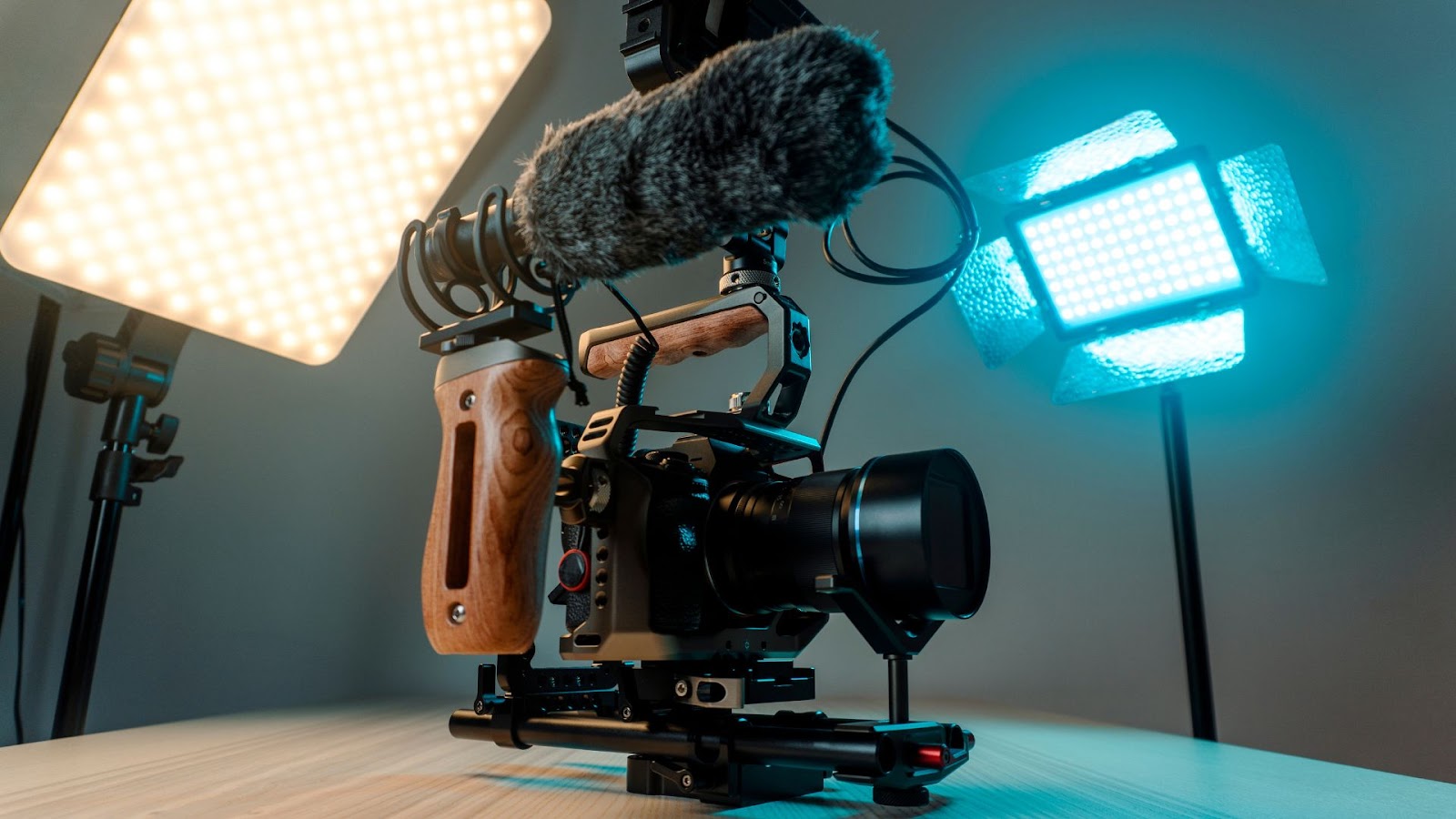
Cameras and lenses: A mirrorless or cinema camera with a versatile set of lenses.
Stabilization: Tripods, gimbals, and sliders for smooth footage.
Lighting: LED panels, softboxes, and reflectors.
Audio equipment: Lavalier and shotgun microphones plus a field recorder, since poor sound ruins good visuals.
Editing setup: A powerful computer, color-accurate monitor, and editing software.
Storage and backup: External drives or network storage for safe archiving.
Drone (optional): Useful for real estate, events, and documentaries.
Start with the essentials, rent specialty items, and reinvest profits into upgrades.
Final Thoughts
Starting a film and video production company is achievable when you take it step by step. Define your niche, protect your business legally, build a strong portfolio, and market consistently. With the right foundation, independent filmmakers can turn their passion into a sustainable, growing business.
Frequently Asked Questions
How do I start a film production company?
To start a film production company, choose a niche, write a business plan, and register your business. Get licenses, insurance, and a business bank account. Then build a demo reel, hire freelance crew, and market your services online.
What does a director of a documentary do?
A documentary film director guides the film's creative vision. They research the subject, plan interviews and shoots, work with the crew, capture real-life footage, and shape the story during editing to deliver a compelling, truthful final film.
What equipment is needed for video production?
Essential video production equipment includes a camera and lenses, tripod or gimbal, lighting, microphones, and a field recorder. You also need a powerful editing computer, editing software, and external storage to safely back up footage. .
How do independent filmmakers get paid?
Independent filmmakers earn money through client projects, commercials, and corporate videos. They also make income from film sales, streaming licensing, festival prizes, grants, crowdfunding, sponsorships, and distribution deals, often combining several sources to build steady income.

Comments
Post a Comment